
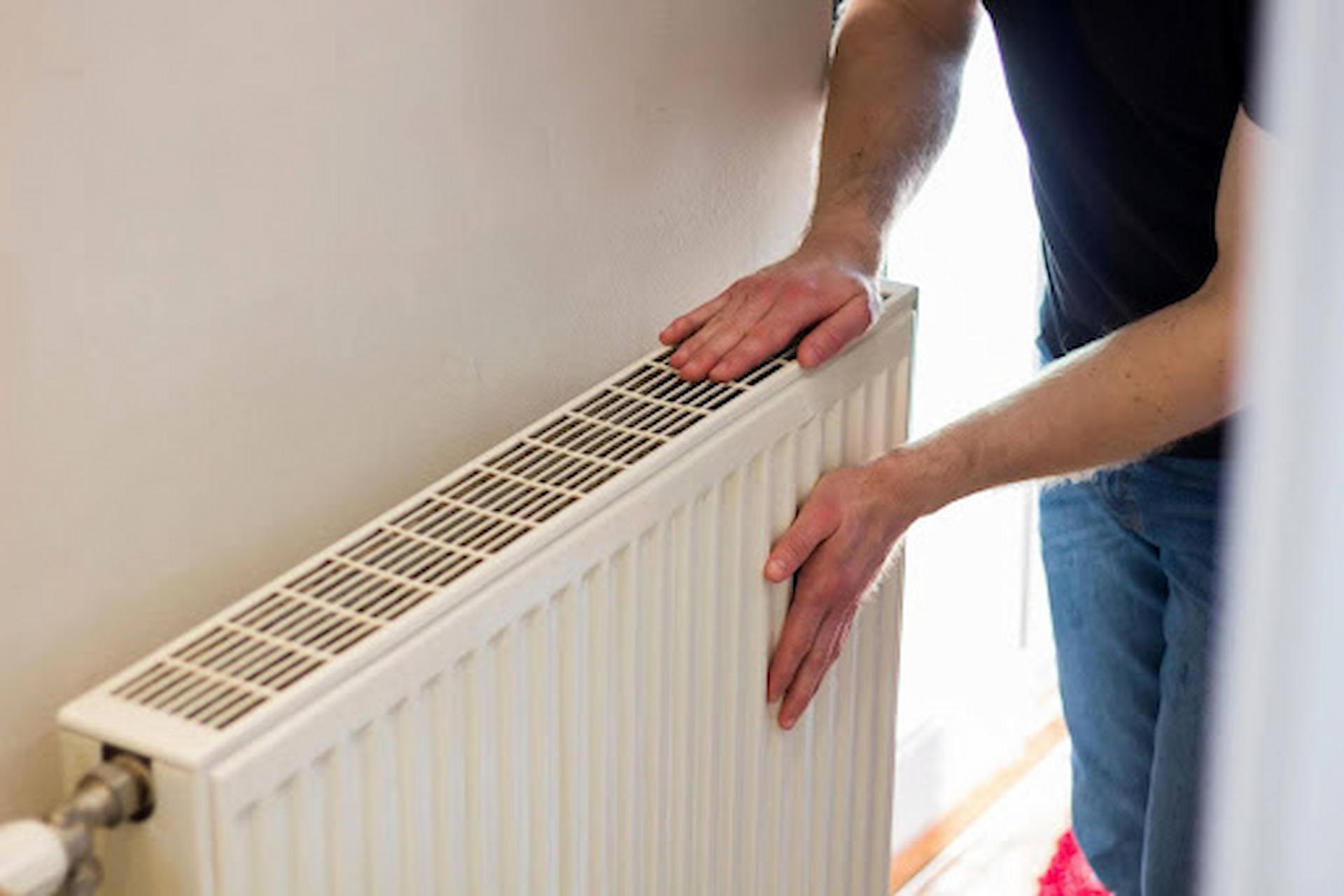
Heating systems work hardest when temperatures drop, yet many radiators operate below peak efficiency. Small maintenance gaps can quietly increase energy use and long-term costs. With the right care routine, you can protect performance, improve heat output, and keep household heating expenses under control year after year.
Household energy bills have become a growing concern, especially during colder months when heating systems run for long hours each day. In response, many homeowners begin searching for practical advice on how to lower heating bills, often focusing on thermostat reductions or improving loft insulation. While those steps can certainly help, they do not always address how efficiently heat is being delivered once it leaves the boiler.
Radiators are the final delivery point of heat within your home. If they are not functioning efficiently, even the best boiler cannot compensate. Regular maintenance ensures that heat is distributed evenly, energy is not wasted, and your system performs consistently throughout the year.
How Radiator Performance Influences Long-Term Heating Costs
When radiators operate below optimal performance, the heating system runs for longer cycles. This increases fuel consumption and accelerates wear on components. Over time, minor inefficiencies add up.
Common contributors to reduced performance include trapped air, internal sludge, incorrect pressure, and blocked airflow. Addressing these issues early prevents higher running costs and protects the longevity of the entire heating system.
Maintaining efficiency is not about major repairs. It is about consistent attention to detail that preserves heat output and prevents unnecessary energy use.
Bleeding Radiators to Restore Full Heat Output
Air trapped inside radiators creates cold spots and restricts water circulation. When this happens, the system struggles to heat rooms evenly, forcing longer operating times.
Bleeding radiators allows trapped air to escape and restores full internal circulation. This simple task improves heat distribution and ensures that the entire radiator surface contributes to warming the room.
It is advisable to check radiators at the start of the heating season and whenever uneven heating becomes noticeable. Quick intervention prevents prolonged inefficiency.
Managing Internal Sludge for Better Circulation
Over years of operation, heating systems naturally accumulate corrosion particles and debris. This forms sludge that settles at the bottom of radiators and reduces water flow. Signs of sludge include cold lower panels, slow heating response, and unusual system noises. If left untreated, buildup reduces heat transfer and forces the boiler to work harder.
Professional flushing removes these deposits and restores proper circulation. A clean system responds more efficiently to thermostat settings and consumes less energy overall.
Keeping Valves and Controls in Proper Working Order
Thermostatic radiator valves regulate room temperature by adjusting water flow. When they function correctly, they prevent overheating and reduce unnecessary energy use.
Faulty or stiff valves can cause rooms to become too warm or remain cooler than intended. This imbalance often leads to increased thermostat adjustments and higher consumption. Routine checks ensure valves move freely and respond accurately to temperature changes. Efficient regulation supports better control and contributes meaningfully to understanding how to lower heating bills in a practical way.
Monitoring Boiler Pressure for Stable Performance
Radiators rely on correct boiler pressure to circulate hot water effectively. If pressure drops too low, heat distribution weakens. If it rises too high, system strain increases.
Checking the pressure gauge periodically ensures it remains within the recommended range. Stable pressure allows radiators to heat evenly and maintain consistent room temperatures without excessive energy demand. This small habit prevents performance dips and supports long-term operational stability.
Cleaning Radiators to Improve Heat Release
Dust accumulation on and behind radiators restricts airflow and reduces heat emission. Even a thin layer can limit performance over time.
Vacuuming between panels and wiping exterior surfaces improves heat transfer into the room. Keeping furniture and heavy curtains clear of radiators also prevents trapped warmth. When heat flows freely, thermostat settings can remain lower while still achieving comfortable indoor temperatures. Reduced settings directly translate into lower energy usage.
Balancing the System for Even Heat Distribution
An unbalanced heating system results in some rooms overheating while others stay cool. This forces the boiler to compensate, increasing overall consumption.
Balancing adjusts the flow of hot water so each radiator receives the appropriate share. The result is consistent warmth throughout the property and shorter heating cycles. Even heat distribution reduces system strain and promotes efficient operation across every room.
Enhancing Heat Retention Around Radiators
Radiators positioned on external walls can lose heat through poorly insulated surfaces. Installing reflective panels behind them helps redirect warmth back into the room. This adjustment improves thermal efficiency without increasing energy input. It is particularly beneficial in properties where insulation may not be modernised.
Retaining more heat indoors means the system reaches target temperatures faster and maintains them with less effort.
Scheduling Professional Maintenance Checks
While many maintenance tasks can be carried out routinely, annual professional servicing adds an extra layer of assurance. Inspections identify minor inefficiencies before they escalate into costly repairs.
Technicians can assess system balance, check valve performance, and ensure internal cleanliness. Preventative servicing protects equipment lifespan and reinforces consistent efficiency year after year. Proactive care reduces unexpected breakdowns and maintains steady performance through colder seasons.
Knowing When Replacement Becomes Practical
Even well-maintained radiators eventually reach a point where efficiency declines. Older models may struggle to deliver consistent output despite regular upkeep.
Modern radiators are designed with improved heat transfer technology and lower water volume requirements. If performance drops significantly, upgrading can complement maintenance efforts and enhance overall system efficiency.
Understanding how to lower heating bills sometimes involves combining careful upkeep with strategic improvements when necessary.
Conclusion
Maintaining radiators is one of the most effective long-term strategies for improving heating efficiency. Small actions such as bleeding trapped air, managing sludge, checking valves, monitoring boiler pressure, and keeping surfaces clean all contribute to better performance. These adjustments prevent the system from working harder than required and reduce unnecessary fuel consumption.
Efficiency is built through consistency rather than one-time fixes. When radiators operate at full capacity, rooms heat evenly, thermostat settings remain stable, and energy usage becomes more controlled. Over time, these improvements translate into meaningful financial savings.
Anyone exploring how to lower heating bills should begin with radiator maintenance. It protects the entire heating system, extends equipment lifespan, and ensures reliable comfort while supporting smarter, long-term cost management.

