
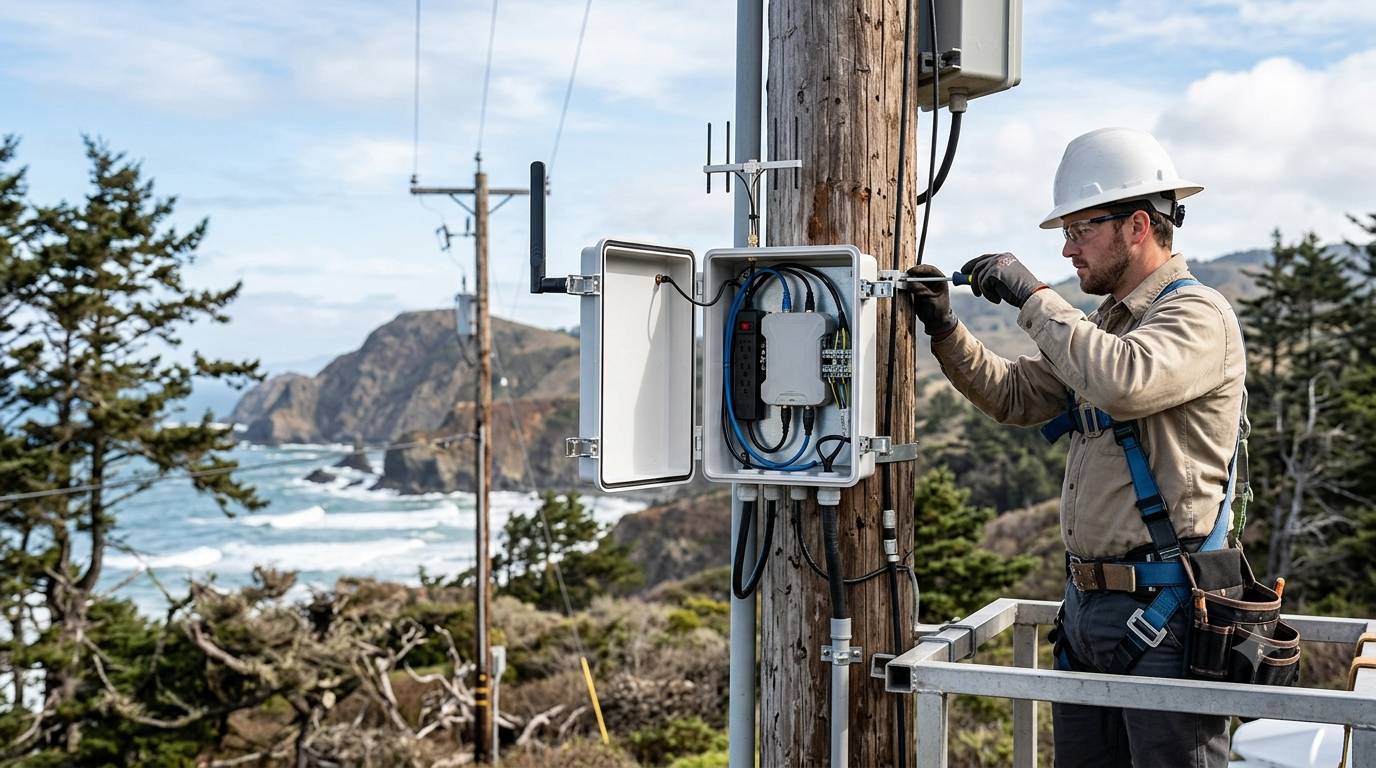
Deploying reliable Wi-Fi, 4G, or 5G connectivity across outdoor spaces presents unique engineering challenges. Standard hardware simply cannot survive prolonged exposure to harsh weather, moisture, and fluctuating temperatures. Whether expanding broadband across commercial properties, setting up remote agricultural monitoring, or providing public internet access in urban venues, shielding sensitive electronics is paramount. Selecting the right physical casing ensures uninterrupted performance, reduces maintenance overheads, and dramatically extends device operational lifespans.
Deploying networking equipment in harsh conditions demands specialised protection. Finding a suitable outdoor router enclosure https://www.gttwireless.com allows network engineers to deploy sensitive networking hardware safely in challenging, open-air environments.
Key Factors to Consider When Selecting an Enclosure
Not all protective casings offer equal performance. Choosing the right casing involves evaluating environmental exposure, structural integrity, thermal dynamics, and signal transmission requirements.
Ingress Protection (IP) and NEMA Ratings
The primary defence against equipment failure is adequate ingress protection. International Protection (IP) ratings indicate how effectively an enclosure blocks solids and liquids.
- IP65: Suitable for low-pressure water jets and complete dust resistance. Ideal for sheltered outdoor locations.
- IP66: Protects against powerful water jets and heavy seas, suitable for coastal installations.
- IP67: Withstands temporary submersion in water, offering maximum protection against torrential rain and flooding.
Corresponding NEMA (National Electrical Manufacturers Association) ratings, such as NEMA 4X, provide additional metrics, particularly regarding corrosion resistance in industrial or marine settings.
Material Durability and Signal Performance
Material selection directly influences physical resilience and signal transparency. Common enclosure materials include:
- Polycarbonate / ABS Plastics: Lightweight, highly resistant to UV degradation, and non-conductive. Crucially, high-grade plastics permit RF (radio frequency) signals to pass through with minimal attenuation.
- Die-Cast Aluminium: Provides extreme physical strength, natural heat dissipation, and superior shielding against electromagnetic interference (EMI). However, metal blocks RF signals, requiring external aerial connections.
- Stainless Steel: Exceptionally durable and corrosion-resistant, ideal for chemical plants or marine environments, though heavier and costlier.
Selecting high-performance aerials alongside casing hardware is equally vital. Integrating a reliable omnidirectional antenna https://www.gttwireless.com ensures consistent, 360-degree signal coverage across expansive open areas.
Managing Thermal Balance and Internal Climate
Temperature extremes significantly impact network performance and device lifespan. Electronics generate heat during operation, which must escape even when ambient temperatures rise. Conversely, cold climates can freeze delicate components or cause condensation inside sealed units.
Passive thermal management relies on heat sinks, internal vents with hydrophobic membranes (which allow air passage while blocking water droplets), and solar shielding. Active cooling, such as low-voltage internal fans or thermostat-controlled heating elements, becomes necessary in extreme climate zones to keep operational temperatures within safe thresholds.
Essential Features for Modern Outdoor Installations
When evaluating options, look for features that streamline deployment and guarantee long-term operational integrity:
- Pole and Wall Mounting Options: Flexible mounting brackets simplify installation on lampposts, utility poles, or building facades.
- Gland Plates and Cable Seals: Secure, watertight cable glands prevent moisture ingress along Ethernet or power feeds.
- Power over Ethernet (PoE) Compatibility: Running single cable connections for power and data minimises drill holes and simplifies sealing.
- Internal Mounting Plates: Pre-drilled backplates enable tidy internal layout management for outdoor routers, power converters, and surge protection modules.
- Vandal Resistance: Lockable latches and tamper-resistant screw fittings safeguard hardware in high-traffic public locations.
Overcoming Cable Management and Feedthrough Challenges
A common point of failure in external network setups occurs where cables enter the protective housing. Even small gaps invite moisture ingress, leading to short circuits and corrosion. Utilising double-sealed cable glands with rubber grommets ensures a tight seal around weather-resistant Ethernet cables.
Furthermore, fitting lightning surge arrestors on external connections prevents voltage spikes from damaging central network infrastructure during electrical storms. Proper grounding practices must always be integrated into outdoor network hardware deployments.
Securing Long-Term Connectivity
Investing in fit-for-purpose housing is an essential step in building resilient, high-speed outdoor networks. By matching IP ratings to local weather conditions, carefully choosing signal-transparent materials, and controlling internal temperatures, network engineers ensure uninterrupted uptime for critical communications. Proper planning today prevents costly equipment failures, emergency maintenance trips, and connectivity downtime tomorrow.

